
Buyers new to the category almost always model freight the wrong way round. They estimate the weight of the order, ask for a rate per kilo, and get a number bearing no relation to what they are eventually invoiced. The reason is worth internalising before you plan a first shipment: instant noodles are light and bulky, so ocean freight prices them on the space they occupy, not the weight they carry.
Everything else in freight planning follows from that.
Why noodles fill a container before they load it
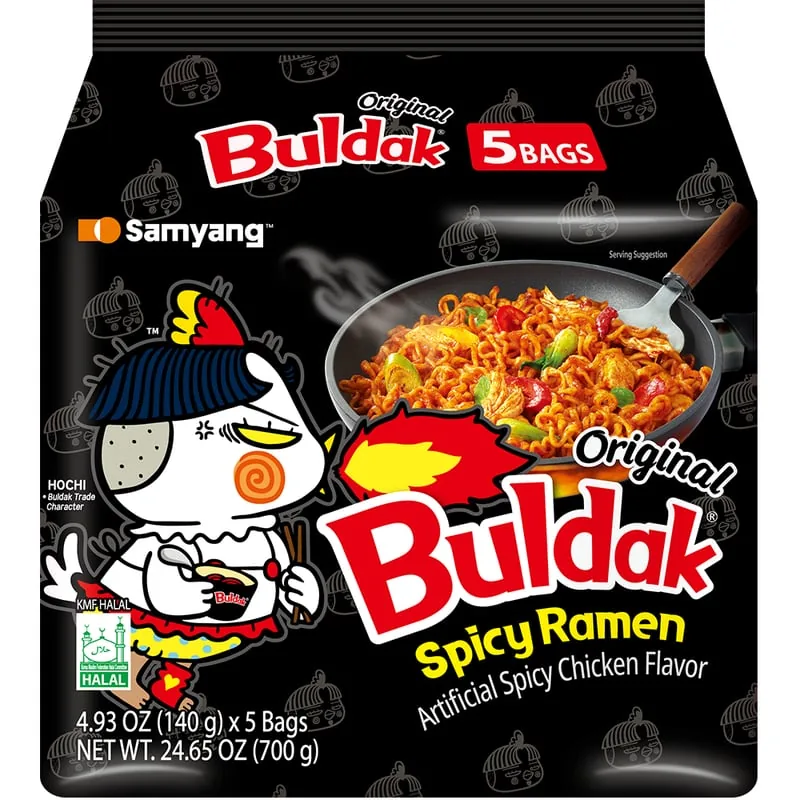
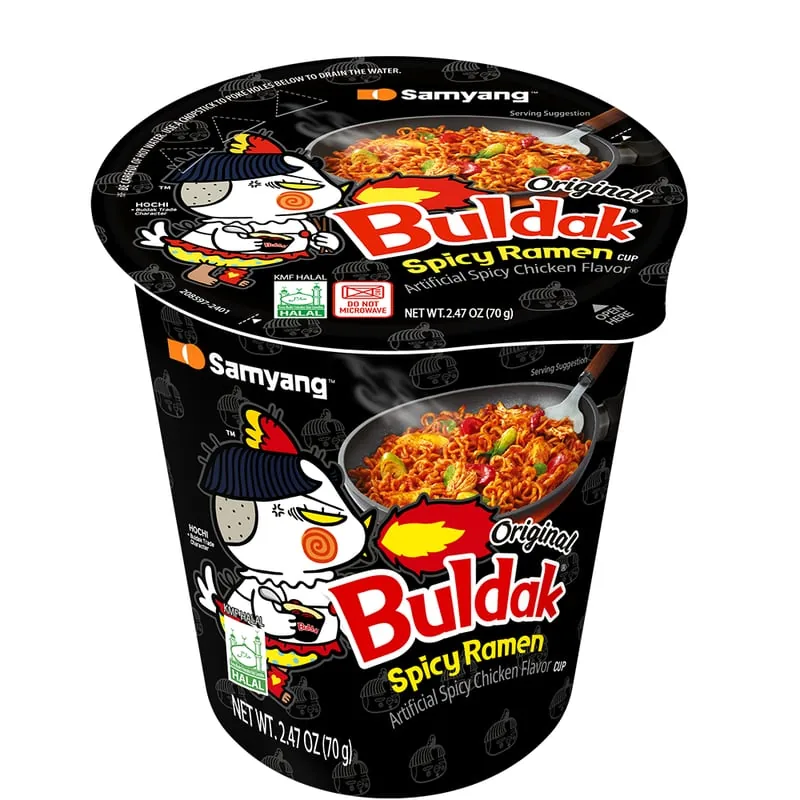
A carton of packet ramen holds 40 packs of 130–145g — roughly 5.2 to 5.8 kilograms of product, in a box sized for air as much as noodles. Cup noodles are worse on this measure: 30 cups at 65–80g is under 2.4 kilograms in a carton physically larger than the packet equivalent, because you are shipping the container as well as the contents. Bowls are the extreme case at 16 per carton.
The practical consequence is that a container of instant noodles reaches its volumetric limit long before it approaches its weight limit. You are buying cubic metres. Rates quoted per kilogram will be converted to a volumetric equivalent, and that figure will govern.
This is not a disadvantage — it means the levers that reduce cost per unit are different from those that work for dense goods. Consolidating volume matters. Shaving weight does not.
What 200 cartons actually occupies
The minimum order is 200 cartons, applied to the order as a whole rather than per product, so it can be reached by mixing any combination of items. For the noodle ranges we hold pallet data on, cartons palletise at 80 per pallet; the sauce cartons, being a different shape, stack at 85.
Two hundred noodle cartons is therefore two and a half pallets. That is a deliberate figure: a part-container load, large enough to trial the category properly and small enough not to commit a new buyer to a full container on a first order. The minimum order quantity guide works through what that converts to in portions, and how many packs are in a carton covers the configurations behind it.
Two and a half pallets is squarely LCL territory, so understanding how LCL is priced comes first.
How LCL is priced, and where the surprises hide
Less than Container Load means your cargo shares a container with other shippers’ goods, consolidated at origin and deconsolidated at destination.
The ocean leg is normally quoted on a weight-or-measure basis: the carrier bills whichever of actual weight or volumetric weight is greater. For instant noodles this will essentially always be volume. So far, straightforward.
The surprises sit at the destination. LCL attracts handling charges that FCL does not, because someone has to break the container down and separate your pallets from everyone else’s. Destination terminal handling, deconsolidation, documentation and customs examination fees are charged per consignment rather than per cubic metre, which means they do not shrink as your order shrinks. On a small LCL shipment these fixed costs can rival the ocean freight itself.
Ask for a landed quotation naming every destination charge, not just the ocean rate. A low sea freight figure with unquantified destination costs is not a comparison you can act on.
When the economics flip to FCL
Full Container Load means you take the whole box. You pay for the container, not the cubic metre, so cost per carton falls continuously as you fill it — and rises sharply, in effect, if you ship it half empty.
There is a crossover point where an FCL container costs less in total than the equivalent LCL consignment, because you stop paying per-cubic-metre rates and per-consignment handling. Where that point sits depends entirely on your lane, the season and the carrier, so no honest supplier can quote you a universal figure. What you can do is ask your forwarder for both quotations on the same lane at the same time, and compare them properly.
FCL brings secondary advantages beyond price. Your goods are not handled at a consolidation point, which reduces crushing and misrouting. Transit is often faster because you skip consolidation and deconsolidation. And the container is sealed at origin and opened by you, which simplifies claims if something is wrong on arrival.
The comparison mistake that costs money
Buyers compare freight per shipment. The number that matters is freight per carton, and then freight per unit.
A larger order that costs more in total freight will frequently cost less per carton — often substantially less — and per-carton cost is what flows into landed cost and therefore margin. Divide every freight quotation by the number of cartons it carries before comparing anything.
Run the same arithmetic against your volume discount. Tiered discounts apply by order size, so the goods cost per carton also falls as the order grows. The two effects compound: a larger order reduces both the freight and the goods component of landed cost simultaneously. Whether that justifies the working capital and stock-holding is a judgement about your business — but it should be made with both effects in view rather than one. Our guide to calculating retail margin shows how landed cost feeds through to the shelf.
Sea, air, and the case for each
Our published transit figures are 45–60 days by sea and 7–14 days by air, on top of a 7–10 day preparation window before loading. Goods load ex Laem Chabang Port, Thailand.
Air freight prices on volumetric weight too, and far more aggressively than ocean. For a product with this weight-to-volume ratio, air is rarely economic for a full order. Where it earns its place is bridging a gap: a small air shipment of your fastest-moving lines to hold shelf presence while the main sea consignment is in transit, particularly around a launch or promotion.
Plan the sea consignment as the business and treat air as an exception, rather than discovering the cost difference when a shelf runs empty. The shipping and delivery page sets out what is quoted separately from goods.
What to ask your forwarder
Ask for the quotation broken into ocean freight, origin charges, destination charges and customs clearance, each named. Ask whether the rate is subject to seasonal surcharges and until when it is valid. Ask what the realistic door-to-door time is on your lane rather than the port-to-port figure. Ask what happens, and what it costs, if the container is selected for examination.
Then ask for the same quotation as FCL, and divide both by your carton count.
Planning the first shipment
Freight is the part of landed cost that new importers understand least and most often underestimate. It is also where a single conversation with a competent forwarder, held before the order is placed rather than after, changes the numbers most.
Every product in our catalogue shows its pack size, units per carton and wholesale pricing, so you can assemble a quantity and calculate cubic volume before requesting rates. When you have a shortlist, send it through with your destination port and we will confirm carton configurations, palletisation and lead time, and quote goods and freight together so you see the whole landed picture rather than half of it. The documents your consignment needs are worth settling in the same conversation.
Frequently asked questions
- Is instant noodle freight priced by weight or volume?
- By volume, in practice. Ocean freight bills on whichever of actual weight or volumetric weight is greater, and instant noodles are light relative to the space they occupy — a carton of 40 packets is roughly 5.2 to 5.8 kg in a box sized for air as much as noodles. A container reaches its volumetric limit long before its weight limit, so consolidating volume reduces cost per unit while shaving weight does nothing.
- How many cartons fit on a pallet?
- For the products we hold pallet data on, noodle cartons palletise at 80 per pallet and sauce cartons at 85, the difference being carton shape rather than a different minimum. At 80 per pallet, a 200-carton minimum order is two and a half pallets — a part-container load.
- Should I ship LCL or FCL?
- There is a crossover point where a full container costs less in total than the equivalent LCL consignment, because you stop paying per-cubic-metre rates and per-consignment handling charges. Where that point sits depends on your lane, the season and the carrier, so ask your forwarder for both quotations on the same lane at the same time and divide each by your carton count.
- What hidden costs does LCL carry?
- Destination charges. Someone has to break the shared container down and separate your pallets, so terminal handling, deconsolidation, documentation and examination fees apply per consignment rather than per cubic metre. They do not shrink as your order shrinks, and on a small LCL shipment they can rival the ocean freight itself. Ask for a quotation that names every destination charge.
- Is air freight worth it for instant noodles?
- Rarely for a full order. Air prices on volumetric weight too, and far more aggressively than ocean, which suits this product badly. Where it earns its place is bridging a gap — a small air shipment of your fastest-moving lines to hold shelf presence while the main sea consignment is in transit.