Most first-time importers of Korean instant noodles budget carefully for goods and freight, then lose two weeks and a demurrage bill to a missing piece of paper. Customs authorities are not obstructive about instant noodles — the category is well understood and moves through ports constantly — but food is regulated more tightly than general merchandise, and the paperwork is assembled before shipment, not after arrival.
This guide sets out what a food consignment typically needs, who produces each document, and when to ask for it. Requirements differ by destination, so treat this as the structure of the conversation to have with your customs broker rather than a checklist that applies identically everywhere.
The commercial set: what every shipment carries
Three documents travel with virtually any international consignment, food or not.
The commercial invoice states what was sold, to whom, at what price and on what Incoterms. Customs uses it to assess duty, so the values must match what you actually paid. Under-declaring to reduce duty is fraud in most jurisdictions and is the fastest way to attract scrutiny on every subsequent shipment.
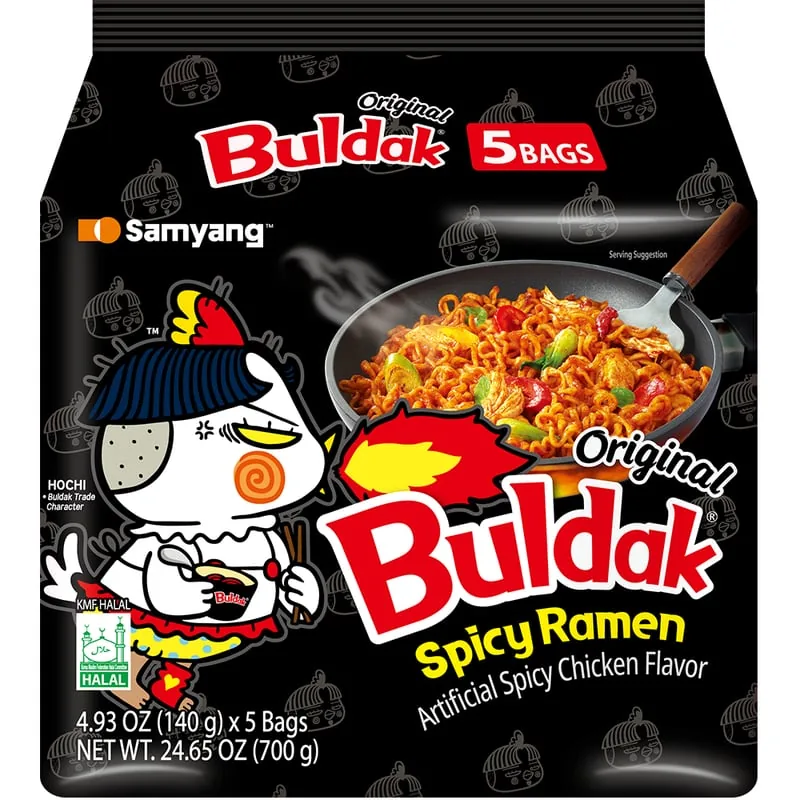
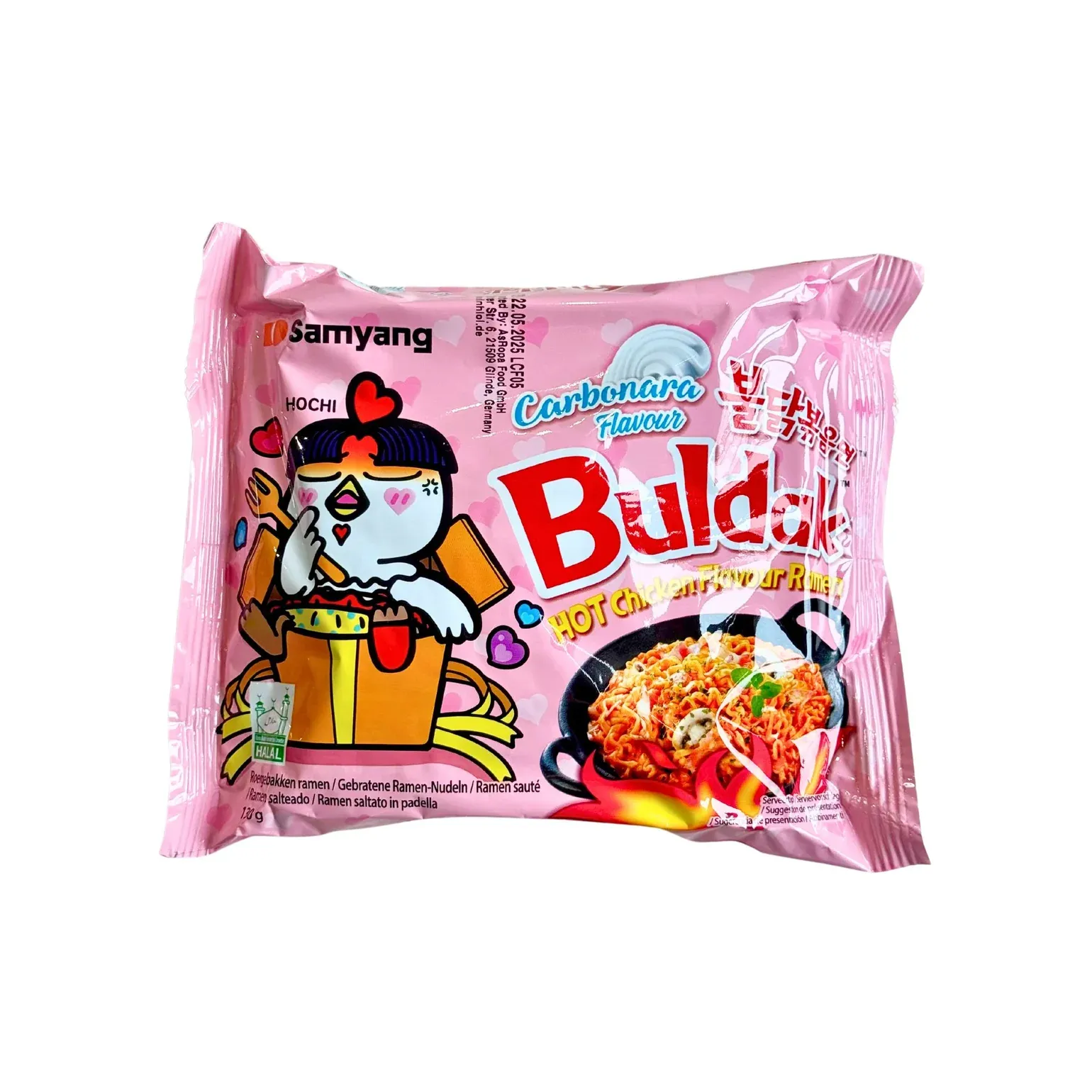
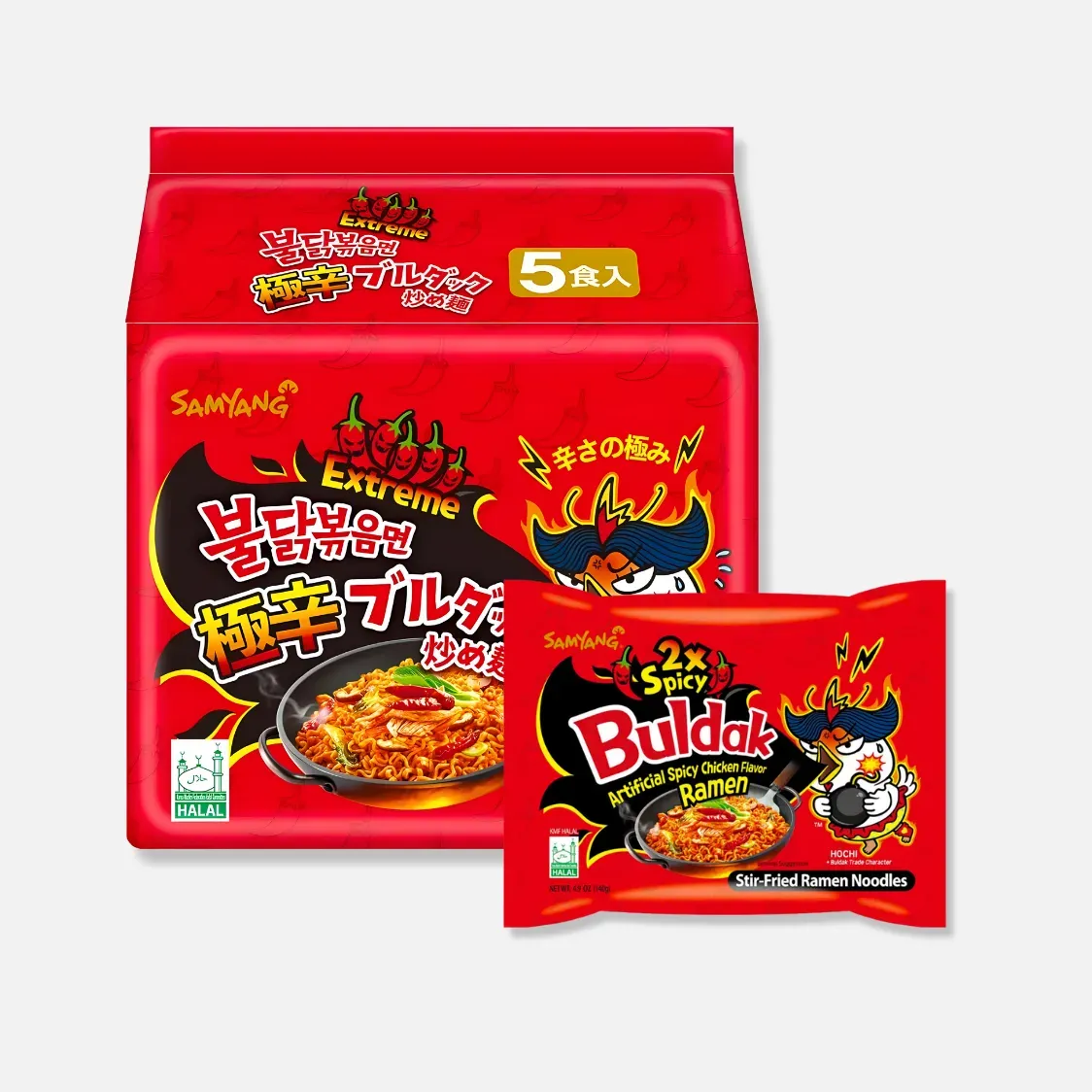
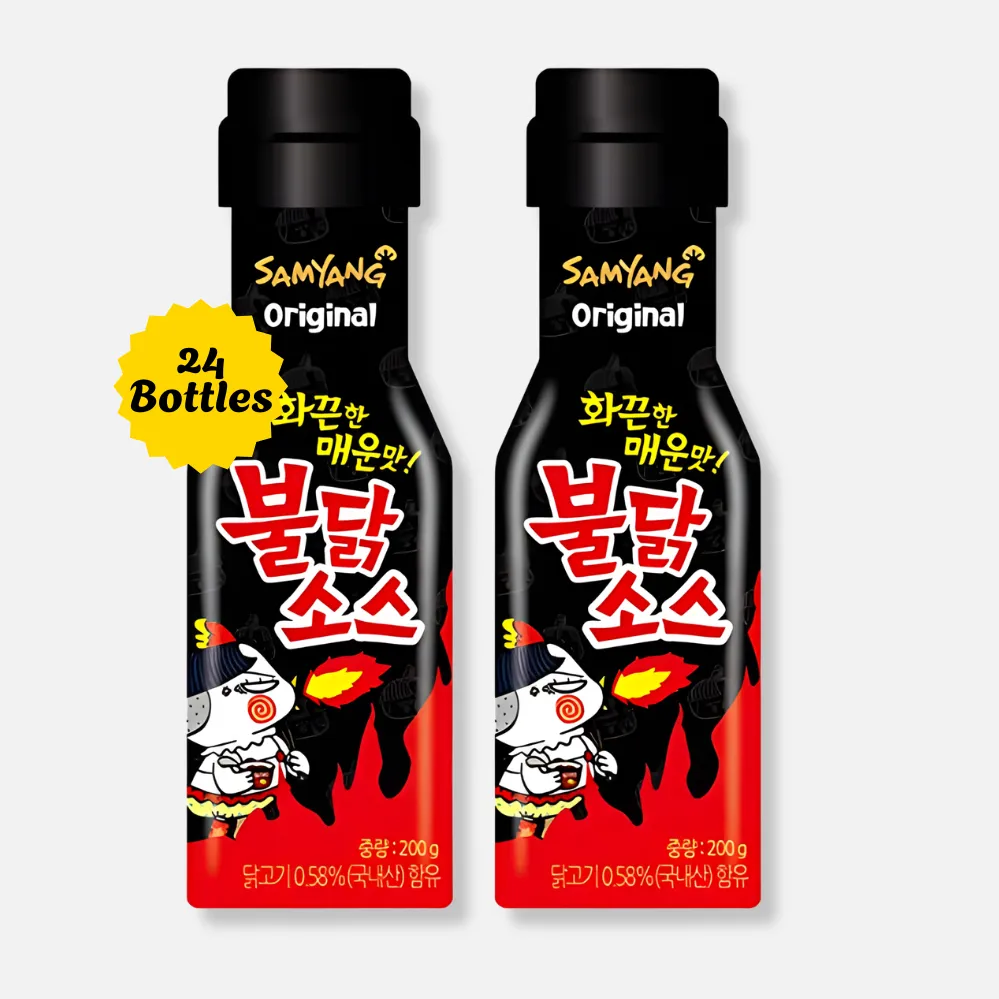
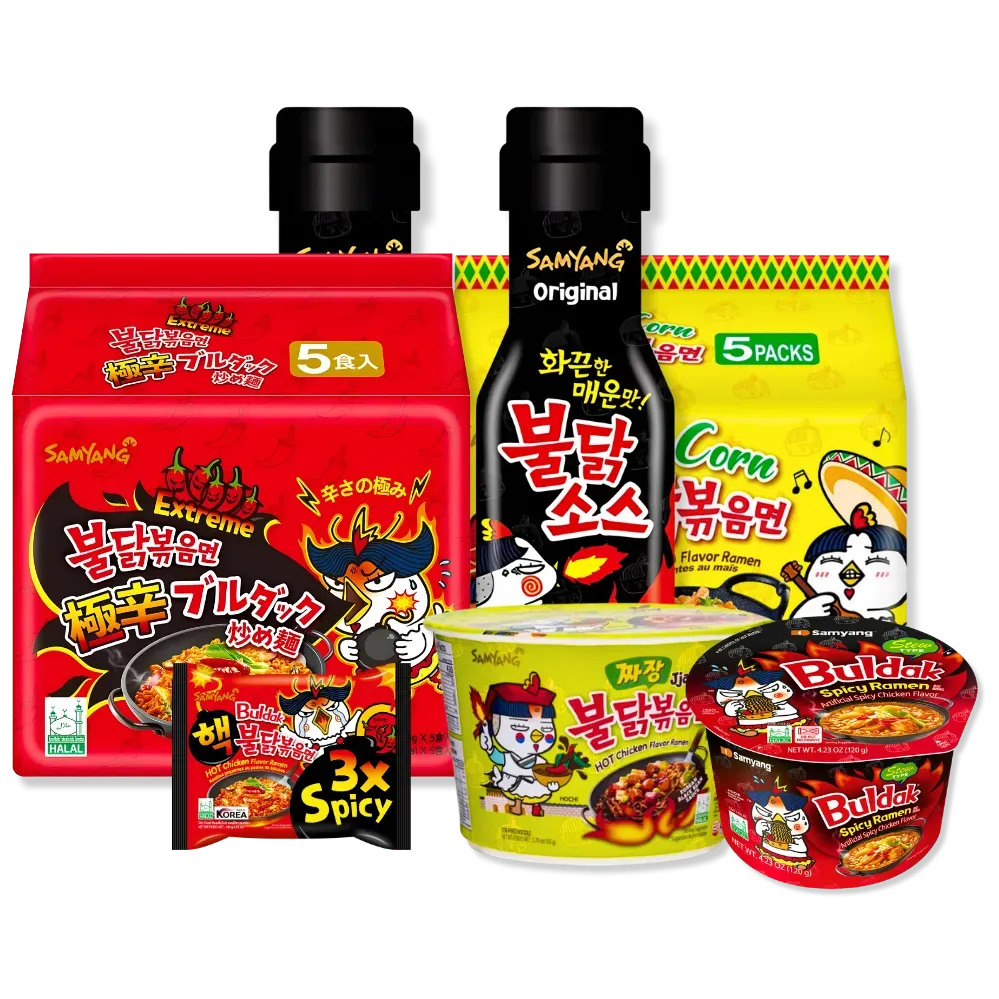
The packing list breaks the consignment into cartons and pallets: how many of each product, carton dimensions and weights, and how the load is palletised. This is what an inspector reads when deciding whether to open a container and what to open. Because carton counts differ by format — the packet lines we supply are 40 packs per carton, cup noodles 30, bowls 16 and the sauces 24 bottles — a packing list for a mixed order needs those figures stated line by line rather than summarised.
The bill of lading (sea) or air waybill is the transport contract and, for an original B/L, the document of title. You generally cannot collect the goods without it, which is why its release is tied to payment.
The food-specific set
Beyond the commercial documents, food consignments usually attract some combination of the following.
A certificate of origin states where the goods were manufactured. For the Samyang range that is South Korea, and the manufacturer is Samyang Foods Co., Ltd. Origin matters commercially as well as procedurally: preferential duty rates under a free trade agreement depend on it, and Korea has agreements in force with a number of markets. Whether your consignment qualifies, and which certificate form is accepted, is a question for your broker.
A health, sanitary or free-sale certificate is required by many food regulators to confirm the product is manufactured under proper conditions and sold freely in its country of origin. Not every destination demands one for shelf-stable products, but those that do will not release goods without it.
An ingredient and allergen declaration may be requested separately from the packaging, particularly where your market requires allergens presented in a specific format or language. Instant noodles commonly contain wheat and soy, and individual flavours vary — the cheese and carbonara variants introduce dairy. Ask for the manufacturer’s specification for each flavour you are importing rather than relying on a general statement about the range.
Some markets additionally require analysis reports, import permits, or registration of the importer or product before the first consignment. These are destination-specific and are the part most often discovered too late.
HS classification changes your landed cost
Every product crossing a border is classified under the Harmonised System, and the code determines the duty rate. Instant noodles are commonly classified under heading 1902.30 — pasta, other — but classification is decided by the authority in your country, and sub-headings differ between tariff schedules.
This matters more than it sounds. The difference between two plausible sub-headings can be several percentage points of duty on the whole consignment, which changes the landed cost you built your retail price on. Our article on calculating retail margin works through why margin calculated on invoice price rather than landed cost consistently overstates the business.
Get a written classification from your broker before the first order. It costs little, it is reusable for every subsequent shipment, and it removes the largest single variable from your cost model.
Labelling — the requirement that actually holds consignments
Documentation failures delay shipments. Labelling failures can render them unsellable.
Most markets require certain information on the retail pack in a specified language: product name, ingredient list in descending order of weight, allergen emphasis, net quantity, date marking, storage instructions, and the name and address of the business placing the product on the market. That last item is the one buyers forget, because only the importer can supply it.
Korean retail packaging carries its own market’s information. Whether it satisfies yours is a question to settle before goods are produced, because the remedies differ enormously in cost. Over-labelling in a bonded warehouse after arrival is expensive and slow. Agreeing the requirement in advance is neither.
Date marking deserves particular attention. Our products carry a 10–12 month shelf life from production, and some markets have rules about how that must be expressed, or set a minimum remaining shelf life on import. We cover the commercial consequences in shelf life and storage of instant noodles; the regulatory side is yours to confirm with your destination authority.
Who produces what, and when to ask
Divide the list into three columns and the process stops feeling chaotic.
Your supplier produces the commercial invoice, packing list, certificate of origin and, where available, manufacturer specifications. Your freight forwarder produces the bill of lading and transport documents. You produce or obtain whatever your market requires of the importer: registrations, permits, importer details for labelling, and the customs declaration, usually through a broker.
The timing that works is to settle documentary requirements at quotation stage, before an order is confirmed. Our preparation window is 7–10 days before loading, with sea transit of 45–60 days and air freight at 7–14 days — documents need to be agreed at the start of that sequence, not discovered at the end of it. The wholesale ordering process guide sets out what happens at each stage, and how to choose a supplier covers how to test whether a supplier will actually produce them.
A realistic sequence for a first consignment
Ask your broker what your market requires for shelf-stable instant noodles, in writing. Confirm the HS classification. Establish whether a health certificate or import registration applies. Settle the labelling question and who is responsible for compliant labels. Only then confirm quantities and place the order, so document production runs in parallel with manufacturing rather than after it.
Second and subsequent consignments are straightforward once this is done. It is the first that carries the cost of learning.
Bringing it together
None of this is a reason to avoid the category. Instant noodles are shelf-stable, non-perishable, densely packaged and routinely imported — among the easier food products to bring across a border. The difficulty is not complexity but sequence: the paperwork has to be arranged before the goods move, and most delays come from starting it too late.
Every product in our catalogue lists its pack size, units per carton and carton configuration, so you can build a quantity before speaking to anyone. When you have a shortlist, send it through with your destination port and we will confirm carton configurations and tell you which documents we can supply for your market, alongside a quotation for goods and freight. For the wider sourcing picture, the Korean instant noodles wholesale guide covers the category from first principles.
Frequently asked questions
- What documents are needed to import instant noodles?
- A commercial invoice, packing list and bill of lading travel with almost any consignment. Food shipments usually add a certificate of origin and, depending on the destination, a health or free-sale certificate and ingredient or allergen declarations. Some markets additionally require an import permit or importer registration before the first consignment. Requirements are set by your destination authority, so confirm them with a customs broker rather than assuming.
- What HS code applies to instant noodles?
- Instant noodles are commonly classified under heading 1902.30 — pasta, other. Classification is decided by the authority in your country rather than by the seller, and sub-headings differ between tariff schedules, so obtain a written classification from your broker before the first order. The difference between two plausible sub-headings can be several percentage points of duty across the whole consignment.
- Does Korean retail packaging satisfy my market's labelling rules?
- Not necessarily. Korean packaging carries information formatted for its own market. Most destinations require product name, ingredients, allergen emphasis, net quantity, date marking, storage instructions and the importer's name and address in a specified language. That last item can only come from you. Settle the question before goods are produced — over-labelling in a bonded warehouse after arrival is expensive and slow.
- Who produces which document?
- Your supplier produces the commercial invoice, packing list and certificate of origin. Your freight forwarder produces the transport documents. You obtain whatever your own market requires of the importer: registrations, permits, importer details for labelling, and the customs declaration itself, usually through a broker.
- When should import documentation be arranged?
- At quotation stage, before an order is confirmed. Our preparation window is 7–10 days before loading, with sea transit of 45–60 days or air freight at 7–14 days. Document production needs to run in parallel with manufacturing rather than starting after it, which is where most first-time delays originate.