A proforma invoice is the point at which a wholesale enquiry becomes a transaction. It is also the document new importers read least carefully, usually because it arrives looking like a formality after the interesting commercial conversation has concluded.
It is not a formality. It is the specification of the deal, and almost every dispute that arises later is a dispute about something the proforma either said or failed to say.
Three documents, three stages
Quotation, proforma invoice and commercial invoice are routinely conflated. They mark three different stages and carry three different weights.
A quotation is indicative. It tells you what something would cost so you can plan, model a margin and compare suppliers. Ours are issued within 24 hours of an enquiry.
A proforma invoice is a firm offer against which payment is made. It is issued once products, quantities and destination are settled, and it is the document your bank will reference when you transfer funds.
A commercial invoice is issued at shipment, reflects what actually shipped, and is the document customs uses to assess duty. The commercial invoice and the proforma should agree; if they do not, the difference needs explaining before the consignment sails.
The transition that matters is quotation to proforma, because that is where estimates become commitments. Anything still vague at that point should be resolved before funds move, not afterwards.
What a proforma invoice must contain
Read a proforma for completeness first and price second.
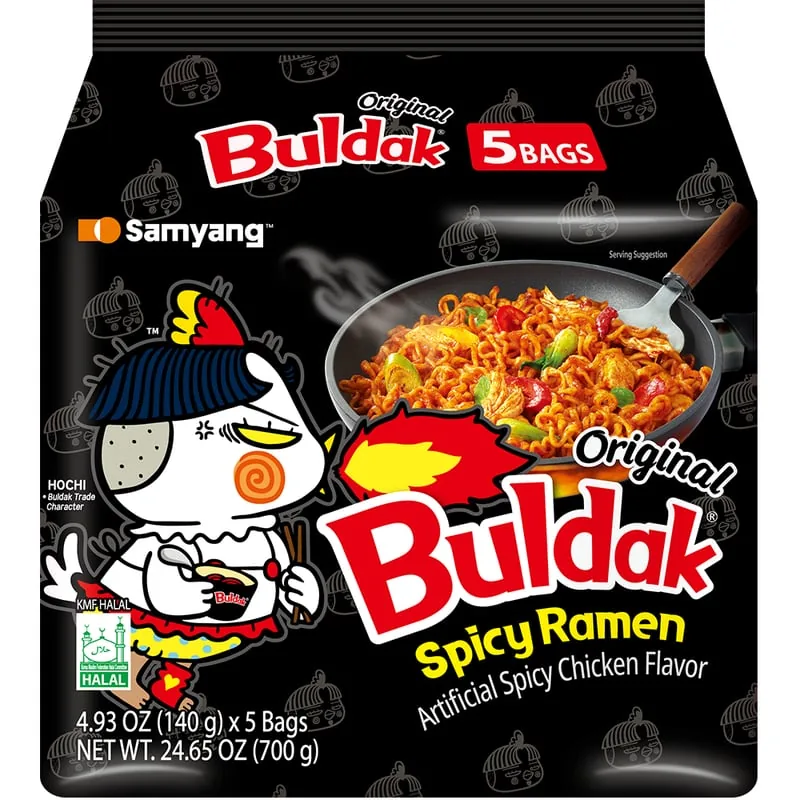
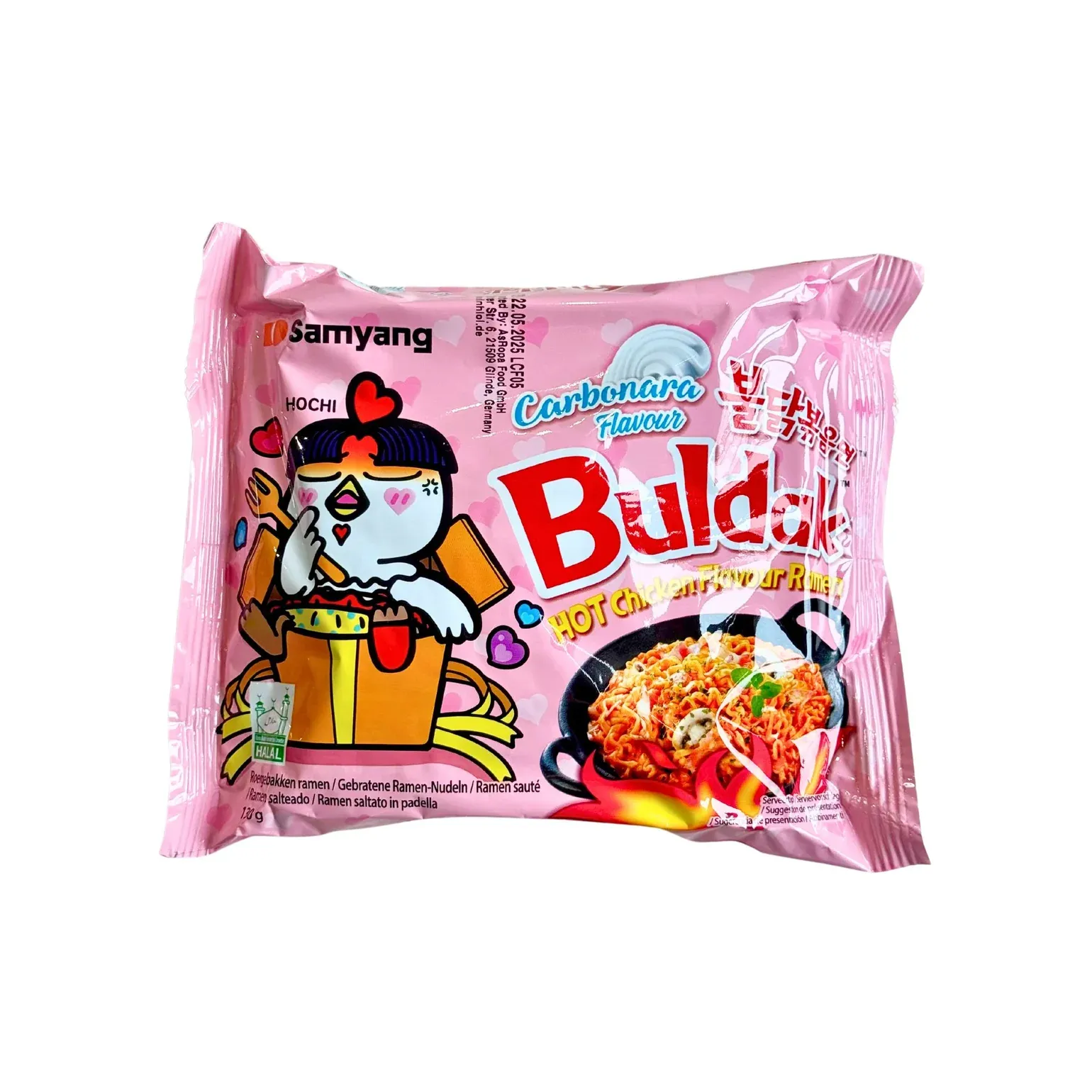
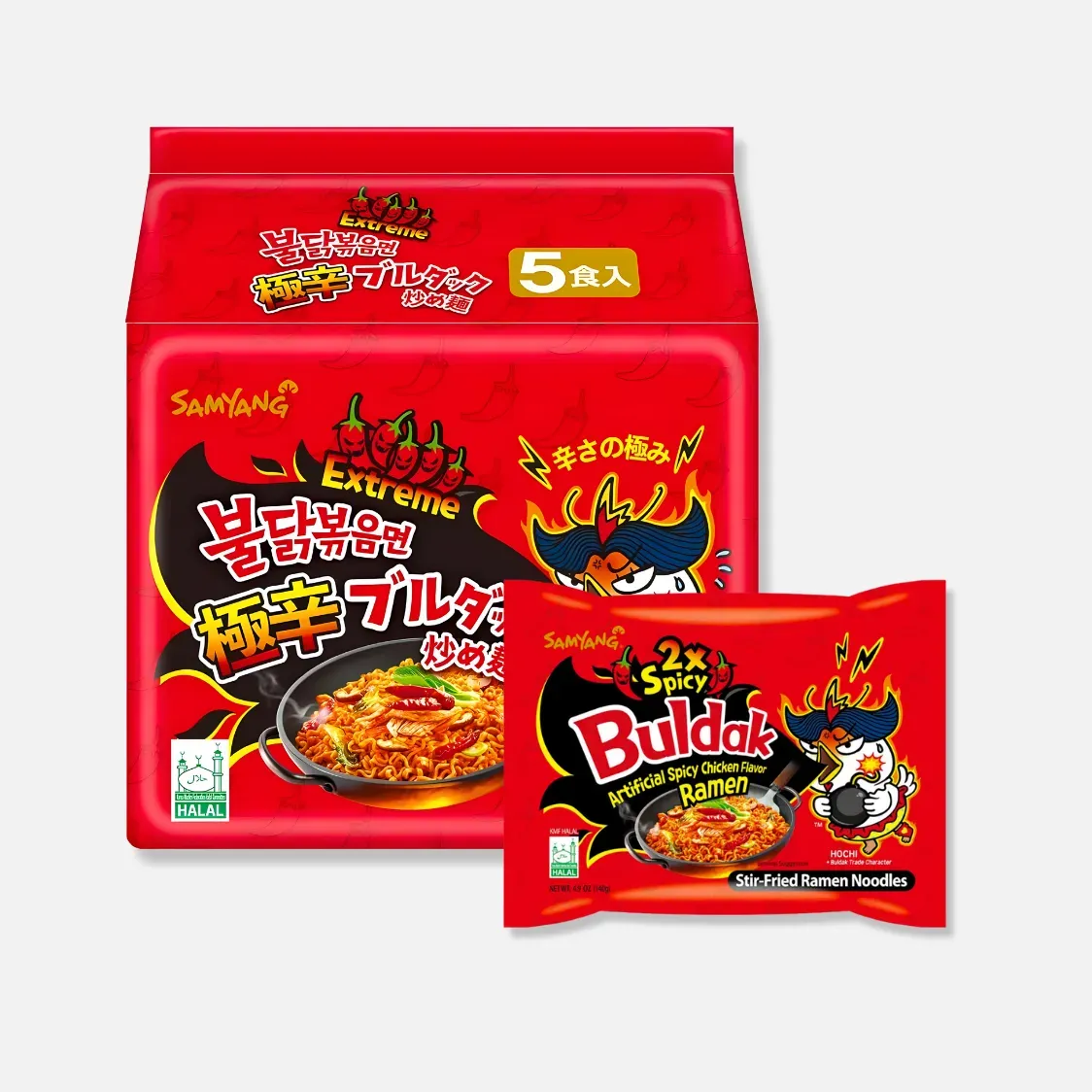
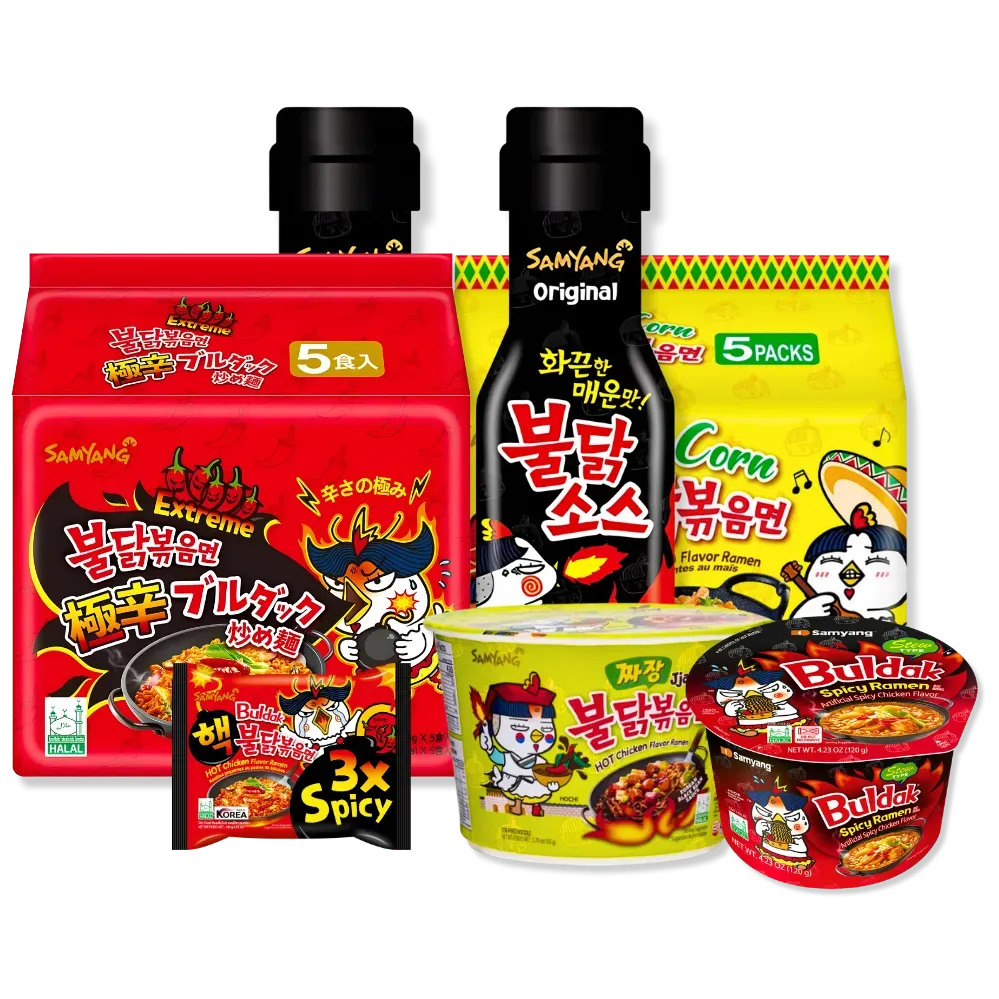
Every line should carry the product name, pack size, units per carton, number of cartons, unit price and line total — specific enough that there is no ambiguity about what arrives. For a mixed order this matters more than buyers expect, because carton counts differ by format: packet lines at 40 packs per carton, cup noodles at 30, bowls at 16 and the hot sauces at 24 bottles. A proforma stating cartons without stating units per carton leaves the most important quantity unwritten. Our article on how many packs are in a carton covers why that figure governs everything downstream.
Beyond the line items, the document should state the total and the currency, the Incoterms and named place, the country of origin and manufacturer, the estimated preparation and shipping time, what the price includes and excludes, the payment method and banking details, and the period for which the offer is valid.
Validity matters more than it looks. Ocean freight rates move, and an offer with no expiry either quietly lapses or commits the seller to a rate they can no longer obtain. A stated validity window is a sign of a supplier who prices deliberately.
The two food-specific lines buyers forget
Two items belong on a food proforma and usually have to be asked for.
The first is the remaining shelf life at shipment, for the batch being supplied, in writing. Our products carry a 10–12 month shelf life from production, but that is the total life of the product, not what remains when a consignment lands. The commercial consequences are set out in shelf life and storage of instant noodles — the short version is that you are buying remaining time as much as goods.
The second is which documents will accompany the consignment. A capable supplier will tell you which they can obtain and which they cannot, rather than agreeing to everything and going quiet later. Our guide to customs documents for imported noodles covers what your broker is likely to require.
TT bank transfer, and the fraud it is vulnerable to
Telegraphic transfer is the standard mechanism in this trade and the one we use: payment by TT against the proforma invoice, with no payment collected through this website at any stage. Our payment method page sets out the process.
TT is fast, familiar to every bank and inexpensive compared with a documentary credit. Its weakness is that recourse is limited once funds are sent, which moves all the protection to what you do beforehand.
Three checks are worth making on every transaction, with any supplier, however well you know them.
Confirm the account name matches the company name on the proforma invoice. A mismatch between the two is the single most common indicator of a compromised or fraudulent transaction, and it is visible on the document in front of you.
Verify banking details through a different channel from the one that supplied them. If the details arrived by email, confirm them by phone on a number you already held. Invoice-redirection fraud works precisely by intercepting email correspondence and substituting account details, and it is defeated by a two-minute call rather than by any technical measure.
Treat any mid-transaction change of banking details as suspect until independently confirmed, however plausible the explanation accompanying it. Legitimate suppliers do not change bank accounts mid-order often, and when they do they expect to be challenged about it.
None of this is specific to any supplier or any country. It is the standard failure mode of international trade payments, and the defences are procedural.
For larger commitments some buyers prefer a letter of credit, which substitutes a bank’s undertaking for the counterparty’s and releases funds only against compliant documents. It costs more, takes longer and is unforgiving about documentary errors. Whether that trade is worth making is a judgement about order size and how well the parties know one another.
Deposit and balance structures
Staged payment — a deposit to commit production, a balance before shipment or against documents — is common practice in international food trade. The specific split varies by supplier, order size and relationship, and any figure presented as universal would be misleading, so ask for yours to be stated explicitly on the proforma rather than assumed.
What matters more than the split is that the trigger for each stage is written down. “Balance before shipment” and “balance against bill of lading copy” are different arrangements carrying different risk, and the distinction should not be left to custom or to goodwill.
Incoterms decide what the price actually covers
Incoterms allocate cost and risk between seller and buyer. A price is not comparable to another price until you know which term is attached to it.
Under EXW the buyer takes on essentially everything from the seller’s premises onward. Under FOB the seller delivers the goods onto the vessel at a named port and risk transfers there. Under CIF the seller arranges carriage and insurance to the destination port — though risk transfers earlier than many buyers assume, which is a recurring source of confusion when something goes wrong in transit.
Our goods load ex Laem Chabang Port, Thailand, and prices are quoted for goods with freight, insurance and duties quoted separately. That structure is deliberate: it lets you see each component and challenge it, rather than accepting a single blended figure you cannot interrogate. The shipping and delivery page covers what sits outside the goods price, and FCL or LCL freight planning explains how the freight component is actually priced for this product.
Whichever term applies, confirm who is responsible for insurance and for what value. Cargo insurance on a 45–60 day sea transit is inexpensive relative to the consignment, and it is frequently left unarranged because each party assumed the other had done it.
What the price excludes, and why that is normal
A wholesale price quoted for goods alone is not a supplier withholding information. It reflects the fact that freight, duty and clearance are determined by your lane, your destination and your customs authority, none of which the seller controls.
Our catalogue quotes per-carton and per-unit pricing on enquiry rather than publishing it, because the figure moves with the flavours, the carton quantities and the destination — and with tiered volume discounts of 5–25% by order size. Send the lines you want through the inquiry form and the quotation that comes back is the one the Proforma Invoice is drawn from. What that becomes as a landed cost depends on the freight quotation and the duty rate your broker confirms. Our guide to calculating retail margin works through why margin computed on invoice price rather than landed cost consistently overstates the business.
The minimum order is 200 cartons, applied to the order as a whole rather than per line, so a single proforma can combine packet ramen, cup noodles, bowls and sauces in any proportion.
Currency, and who carries the exchange risk
Every price we publish is in US dollars, and the proforma is denominated in dollars. If your own revenue is in another currency, that places the exchange exposure on your side of the transaction — which is worth pricing deliberately rather than discovering after the fact.
The exposure is not trivial on this trade, because the gap between agreeing a price and settling it can be long. A proforma agreed today, paid in two stages, against goods that then spend 45–60 days at sea, can span a quarter. A currency move across that window changes your landed cost after you have already set a retail price.
Three ordinary responses, in rising order of effort. Treat the dollar figure as fixed and build a buffer into your margin calculation, which is what most first-time importers do and is adequate at small volumes. Convert and hold the balance when you accept the proforma rather than when payment falls due, which removes the uncertainty at the cost of tying up cash. Or, at container scale, discuss a forward contract with your bank.
What you should not do is model your margin at today’s rate, pay at next quarter’s, and treat the difference as noise. On a 200-carton order it is not noise. Our guide to calculating retail margin sets out where in the arithmetic that variance actually lands.
Red flags on a proforma invoice
Reluctance to issue one at all. Banking details that do not match the trading entity. Pressure to pay quickly against an expiring price. Refusal to state remaining shelf life or carton configuration in writing. A total with no breakdown by line. A change of payment instructions after terms were agreed.
None of these individually proves bad faith. Any of them justifies pausing and verifying through an independent channel before funds move. Our article on choosing a wholesale supplier sets out the wider due-diligence method these fit into.
A checklist before you transfer funds
Confirm the line items match what you intended to order, including units per carton. Confirm the Incoterm and the named place. Confirm the currency. Confirm what the price excludes. Confirm remaining shelf life at shipment. Confirm which documents will accompany the goods. Confirm the account name against the company name. Verify the banking details independently. Confirm the validity period has not lapsed. Confirm who insures the cargo, and for how much.
Ten checks, most of which take seconds, against a transfer that is difficult to reverse.
Requesting a quotation
The document is only as good as the specification behind it, so the work that makes a proforma useful happens before it is issued: settling products, quantities, destination, documentation and shelf-life expectations.
Every product in our catalogue shows its pack size, units per carton and both per-unit and per-carton wholesale pricing in US dollars, so you can build and cost an order before contacting anyone. When you have a shortlist, send it through with your destination port and we will confirm carton configurations and issue a proforma invoice covering goods, terms and freight — reviewed and agreed before anything is produced or paid for. The wholesale ordering process guide sets out the full sequence from enquiry to arrival.
Frequently asked questions
- What is a proforma invoice?
- A proforma invoice is the seller's formal offer to supply defined goods on defined terms, issued before production or shipment. It states exactly what will be shipped, at what price, on what commercial terms, and how payment is expected. It is not a receipt, not proof that goods exist, and not the document customs assesses duty on — that is the commercial invoice, issued at shipment.
- What is the difference between a quotation and a proforma invoice?
- A quotation is indicative: it tells you what something would cost so you can plan. A proforma invoice is a firm offer against which payment is made, issued once products, quantities and destination are settled. The transition between the two is where estimates become commitments, so anything still vague — a carton configuration, a shipping window, who arranges insurance — should be resolved before the proforma is accepted.
- What must appear on a proforma invoice for a food order?
- Each line with product name, pack size, units per carton, number of cartons, unit price and line total; then the order total, currency, Incoterms and named place, country of origin and manufacturer, preparation and shipping time, what the price excludes, payment method and banking details, and the validity period of the offer. For food, add the remaining shelf life at shipment and which documents will accompany the consignment.
- How does TT bank transfer work for wholesale food orders?
- Telegraphic transfer is a bank-to-bank payment made against the proforma invoice. It is fast, familiar to every bank and inexpensive relative to a letter of credit. Its weakness is that it offers the buyer limited recourse once sent, which places the emphasis on verifying the counterparty and the banking details before funds move rather than after.
- Is it safe to pay by bank transfer for an import order?
- It is the normal mechanism in this trade, but it depends on procedure rather than trust. Confirm the bank account name matches the company name on the proforma invoice, verify banking details through a channel other than the email that supplied them, and treat any mid-transaction change of payment instructions as suspect until independently confirmed. Invoice-redirection fraud works by intercepting correspondence and substituting account details, and a phone call to a previously known number defeats it.
- What deposit is normal on a wholesale food order?
- Staged payment — a deposit to commit production and a balance before shipment or against documents — is common practice, but the split varies by supplier, order size and relationship. Any figure quoted as universal would be misleading. Ask for yours to be stated explicitly on the proforma, along with the trigger for each stage, since 'balance before shipment' and 'balance against bill of lading copy' are different arrangements with different risk.
- What do Incoterms change about the price?
- They decide what the price actually covers and where risk transfers, so two prices are not comparable until you know the Incoterm attached to each. Under EXW the buyer assumes nearly everything from the seller's premises; under FOB the seller delivers onto the vessel at a named port; under CIF the seller arranges carriage and insurance to the destination port, though risk transfers earlier than many buyers assume.
- Are freight and duties included in a wholesale quotation?
- Normally not. In this trade goods are quoted separately from freight, insurance and customs duties, which lets you see each component instead of accepting a single blended figure. Our own prices are quoted for goods, with freight and duties quoted alongside. Duty is assessed by your customs authority on the declared value, so it cannot be promised by a seller in another country.
- Can I pay for a wholesale order by card on your website?
- No. No payment is collected through this website at any point. Orders submitted online are order requests: our sales team verifies availability, shipping and applicable charges, then issues a proforma invoice. Payment is made by TT bank transfer against that invoice.